
AI never had an official launch date. It slipped in quietly – through features, automations, and pilots that silently became production. Today, AI is everywhere. And yet, most organizations still don’t truly control it.
Employees rely on AI to accelerate work, reduce friction, or prepare decisions. Some systems already trigger actions within predefined boundaries. They influence customers, costs, and priorities – often without anyone being able to clearly explain how or why.
Embedded does not mean understood.
And daily use does not equal organizational capability.
AI initiatives rarely fail – they multiply.
One team builds something useful. Another creates something similar but incompatible. A third integrates AI deeply into a core process and optimizes for speed. Locally rational. Globally incoherent.
The result:
This is not chaos.
It is unmanaged success.
And it becomes nearly impossible to unwind once the organization depends on it.
AI is often discussed as if it were one topic. It is not.
Inside enterprises, three realities coexist:
Tools that support employees across functions.
Models tightly embedded in essential processes.
AI that prioritizes, recommends, or initiates actions without a prompt.
These layers evolve at different speeds and carry different risks.
Treating them as one topic creates oversimplification.
Treating them separately creates fragmentation.
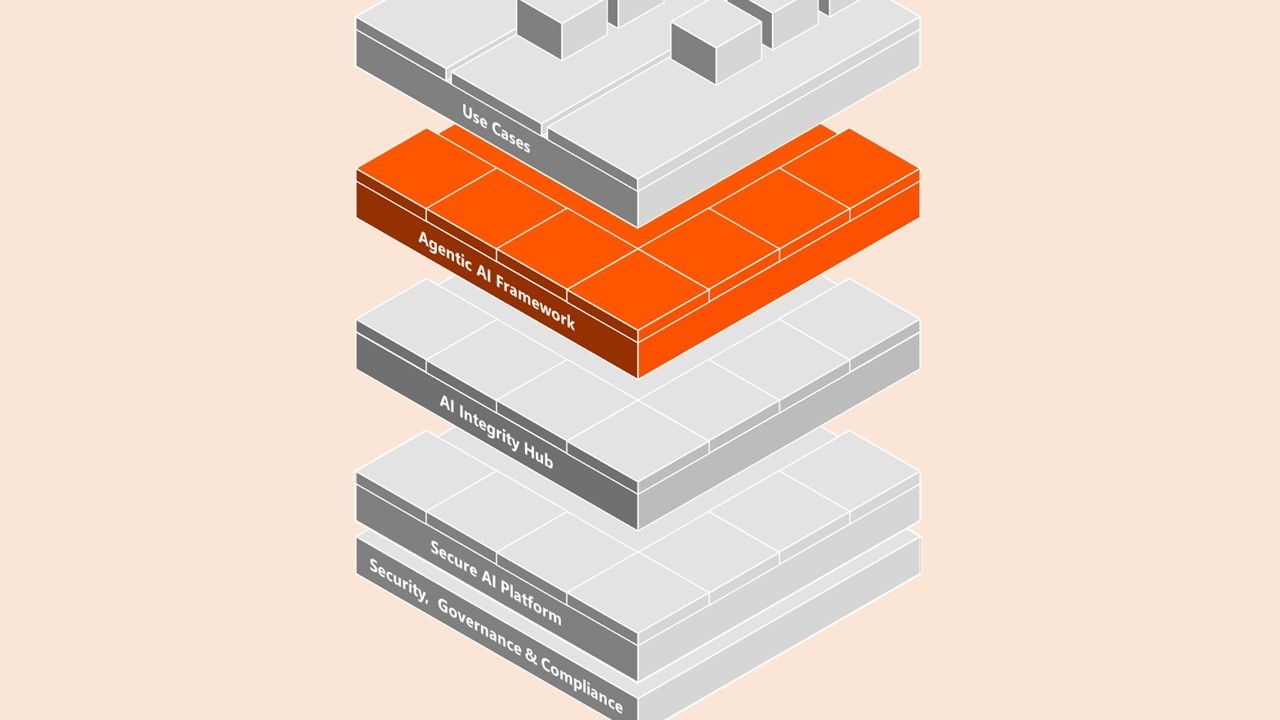
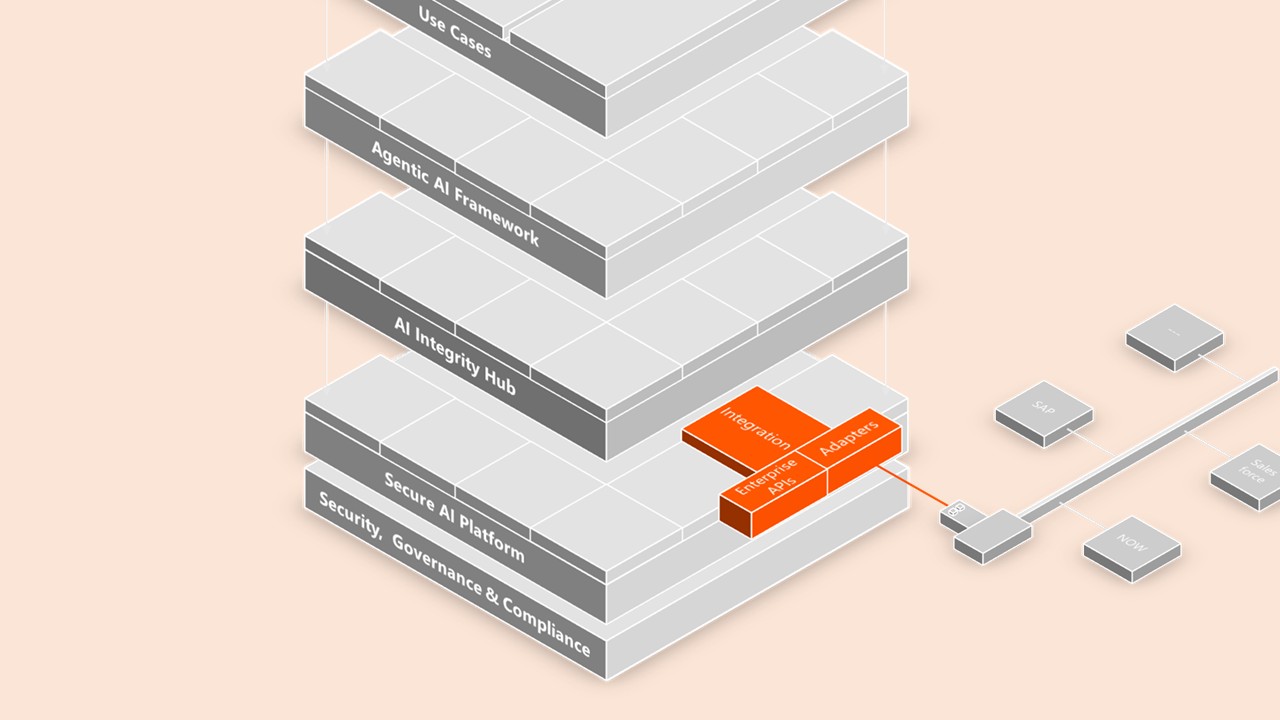
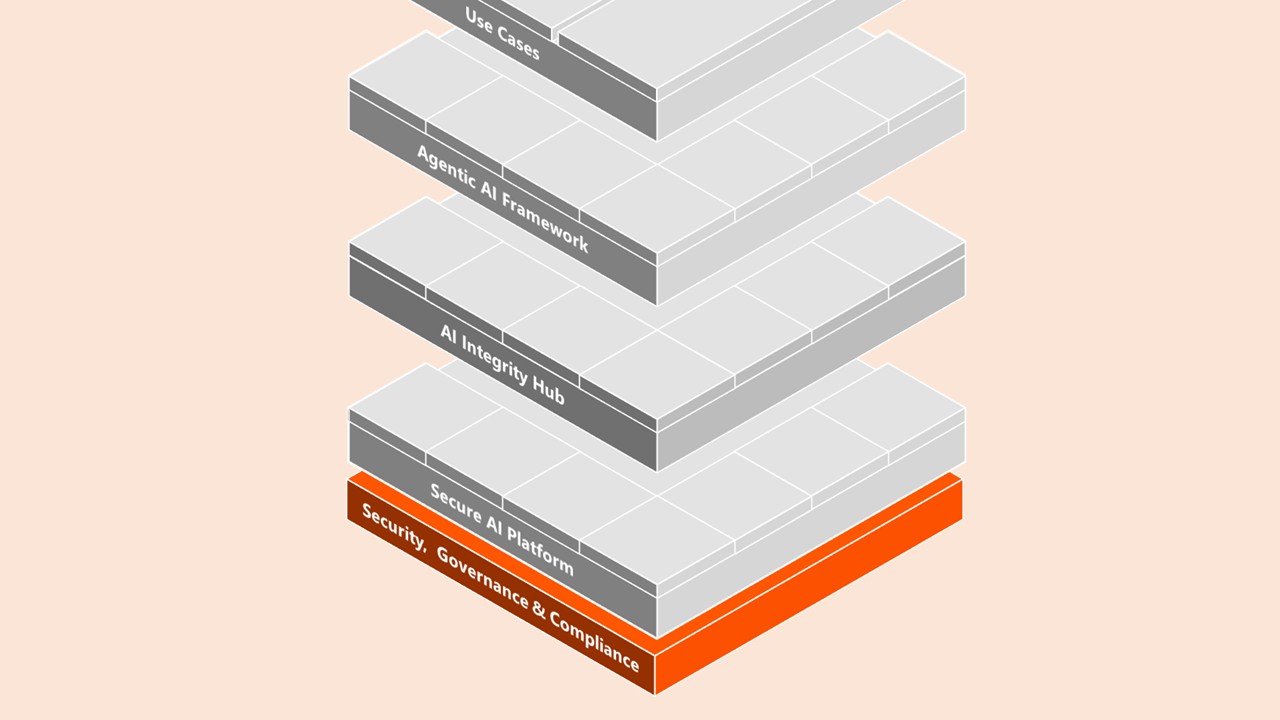
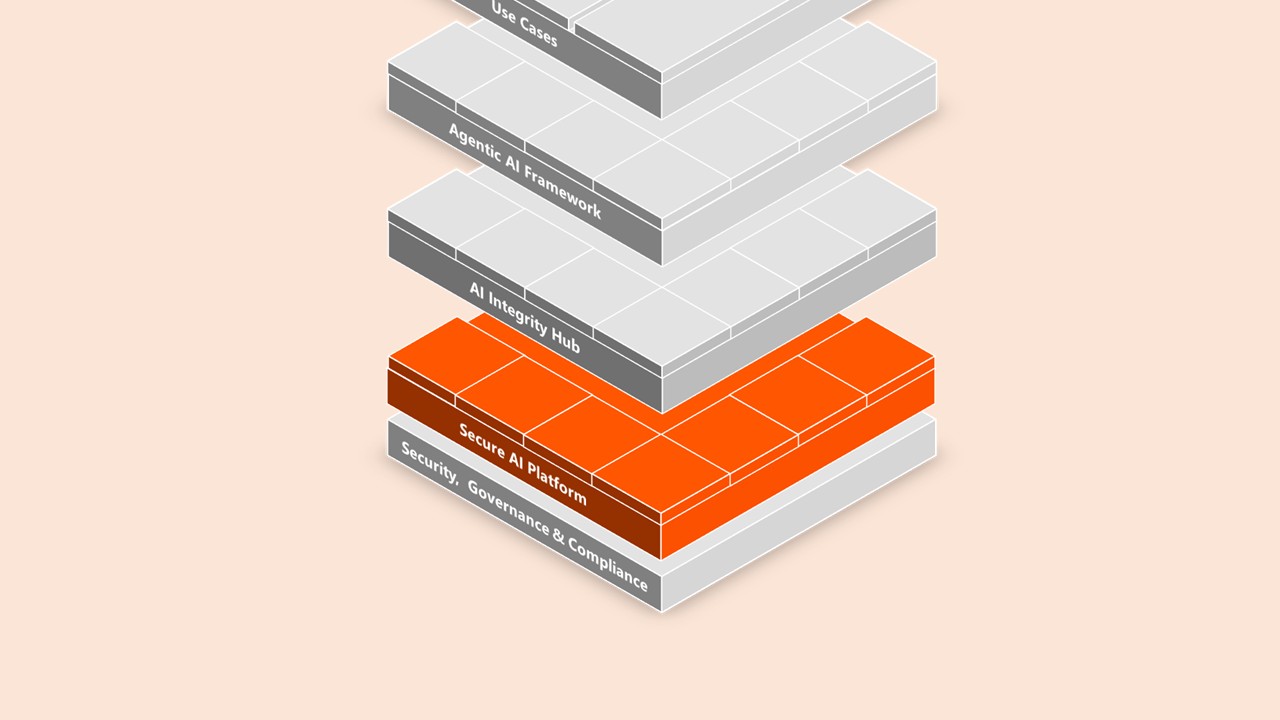
Enterprise AI Enablement begins where this tension becomes visible.
AI is shifting from pure assistance to emerging agency—slowly, unevenly, often unintentionally. Some systems already act within defined limits, influencing outcomes before anyone notices.
This transition is often discussed under the “agentic economy.”
What is discussed far less is its fragility.
Because:
Enablement ensures that evolution does not become liability.
Enterprise AI Enablement feels abstract – until it is missing.
Our work begins where organizations sense misalignment:
too many initiatives, too little coherence, growing dependence on systems no one wants to slow down but no one truly controls.
PlanB. acts as a Trusted Enabler by helping enterprises:
Not through theory.
Through practical standardization, robust guardrails, and clarity that holds under operational pressure.
AI will continue to spread – whether organizations are ready or not.
The defining difference will not be who adopted first.
It will be who remains in control once AI is everywhere.